July 29, 2026
A functional garage door is an essential component of modern homes. It provides security, enhances curb appeal, and offers convenient access to your property each day. Like any mechanical system, it's subject to significant daily use. Over time, the repeated cycle of opening and closing leads to wear and tear. Homeowners often take this convenience for granted until the system stops working. Recognizing early signs of failure helps avoid sudden breakdowns.
Understanding the root causes of these malfunctions is the first step toward effective maintenance. Different components of the system wear out at different rates, leading to specific issues. Whether dealing with a door that refuses to open, makes unsettling noises, or ignores your commands, identifying the source is crucial. Learning about common garage door repair needs lets you address minor issues before they escalate.
1. The Door Won't Lift
One of the most frequent problems homeowners face is a door that simply refuses to lift. This issue is almost always tied to the condition of the springs. The springs do the heavy lifting, counterbalancing the panels' weight. The constant tension eventually takes a toll on the metal. The steel stretches, weakens, and reaches its breaking point. When a spring snaps, the door becomes too heavy to lift.
Attempting to force the door open with a broken spring is a common mistake that causes further damage. The motor isn't designed to pull the full weight, and pushing it beyond its capacity will quickly burn it out. If you hear a loud bang followed by a door that refuses to budge, a broken spring is the likely culprit. A specialist should always address this, because the springs operate under immense tension.
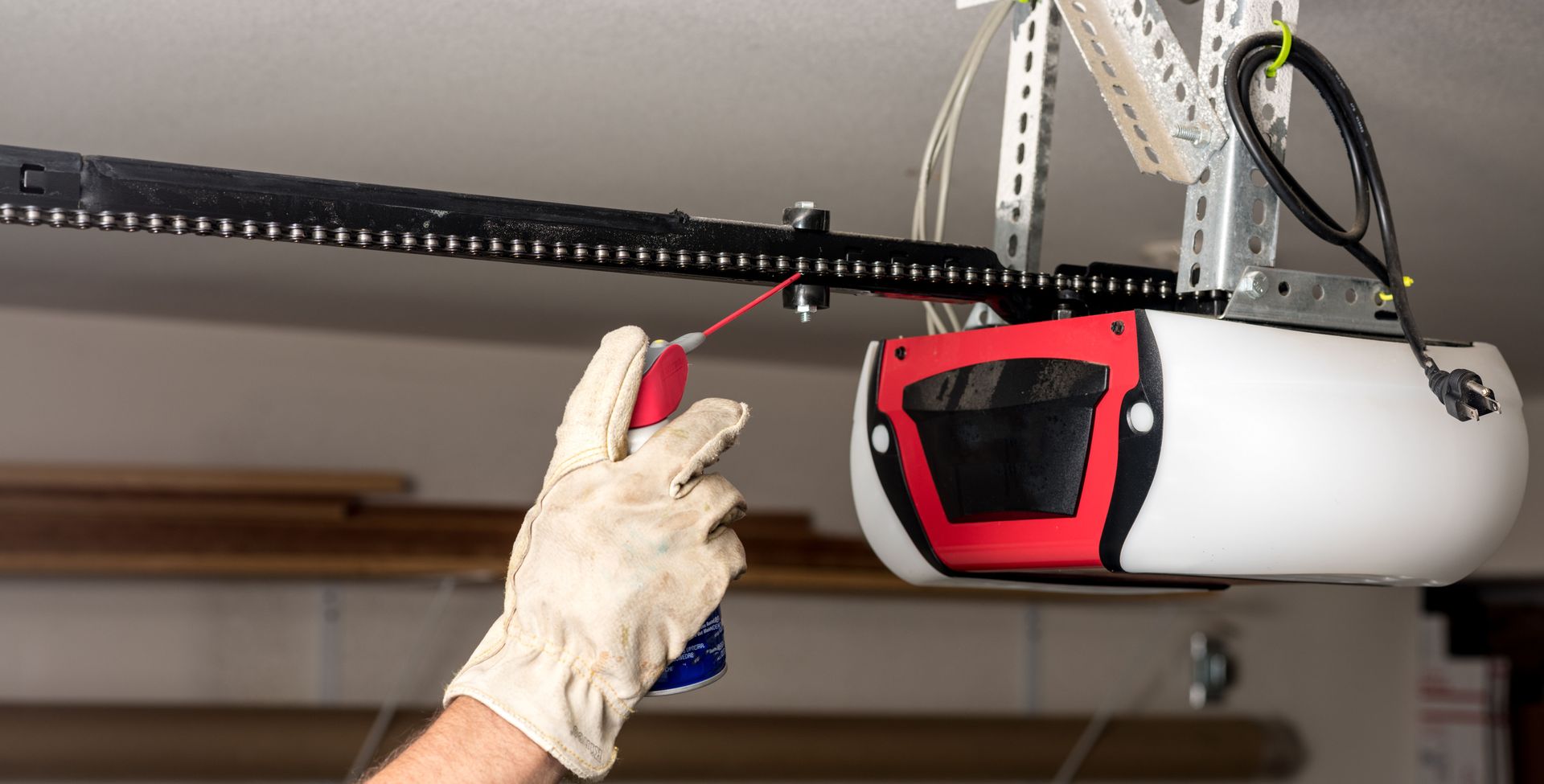
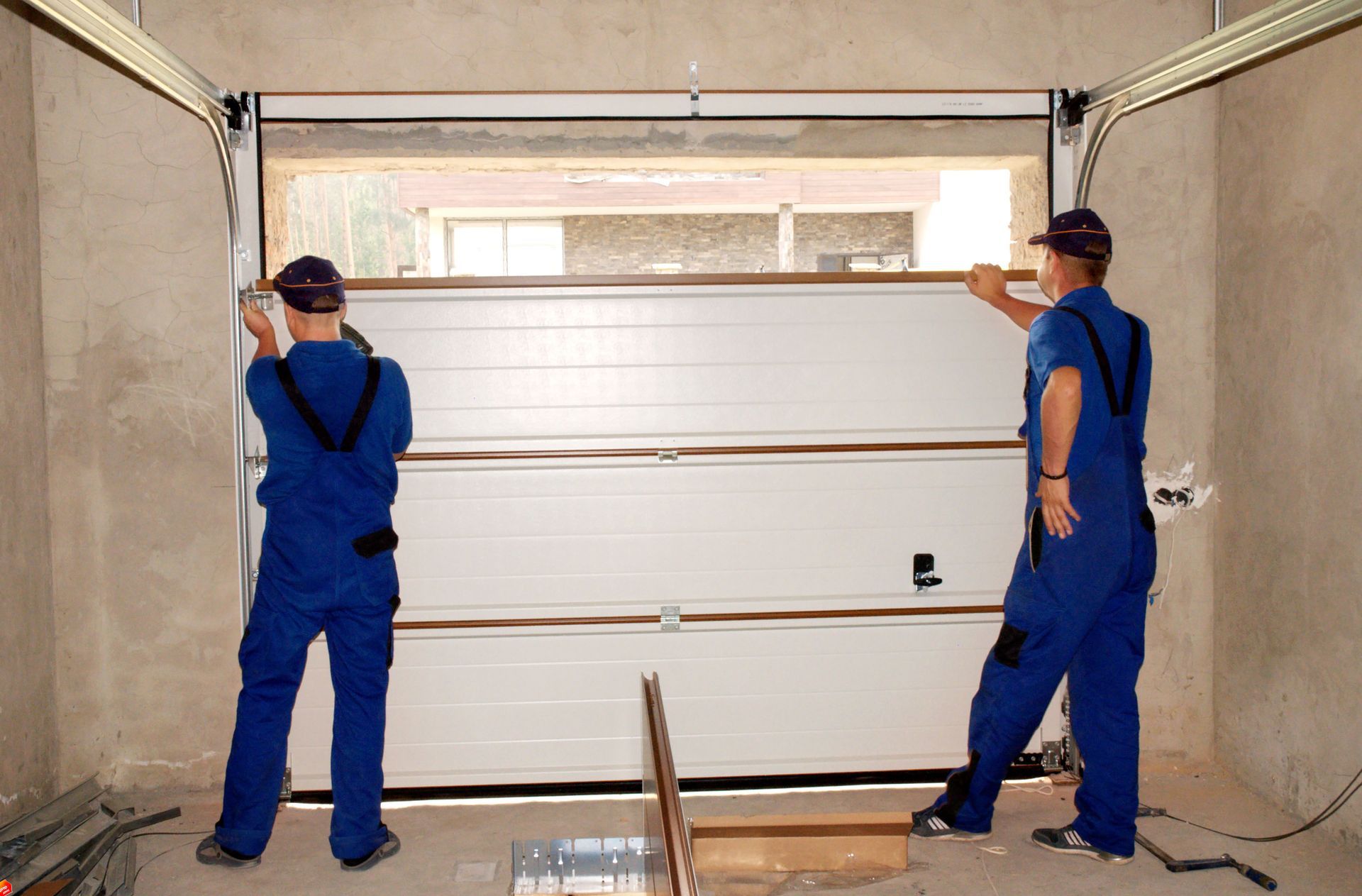
Professional garage door repair is necessary when dealing with compromised springs. Technicians have the specific tools to safely release the remaining tension, remove damaged components, and install correctly calibrated replacements. Regular visual inspections help you spot signs of fatigue, such as gaps in the coil or rust, before a complete failure occurs. Applying a light coat of appropriate lubricant every few months also extends their lifespan.
2. The Door Grinds and Jams
A smoothly operating door should glide up and down with minimal noise or resistance. When the system begins to grind, scrape, or jam halfway through its cycle, misaligned tracks are frequently to blame. The tracks guide the rollers, keeping the heavy panels moving in a straight line. If these metal guides become bent or obstructed, the rollers cannot travel freely. This misalignment creates friction, forcing the motor to work harder and generating loud scraping sounds.
Track misalignment happens for several reasons. Accidental impacts, such as bumping the frame with a vehicle, can easily bend the metal out of shape. Loose mounting hardware is another common cause. Vibrations from daily operation can slowly loosen the bolts holding the tracks to the wall, causing the metal guides to shift. Even a shift of just half an inch is enough to cause the rollers to bind, bringing the entire operation to a grinding halt.
Fixing misaligned tracks requires patience and a careful eye. While tightening loose bolts is a simple maintenance task, realigning or straightening bent metal is more complicated. If the rollers completely jump the track, the door can hang at a dangerous angle. Prompt garage door repair ensures the tracks are perfectly parallel and properly anchored. Keeping the tracks clean and free of debris prevents premature wear on the rollers and ensures the system moves smoothly.
3. The Door Is Unresponsive
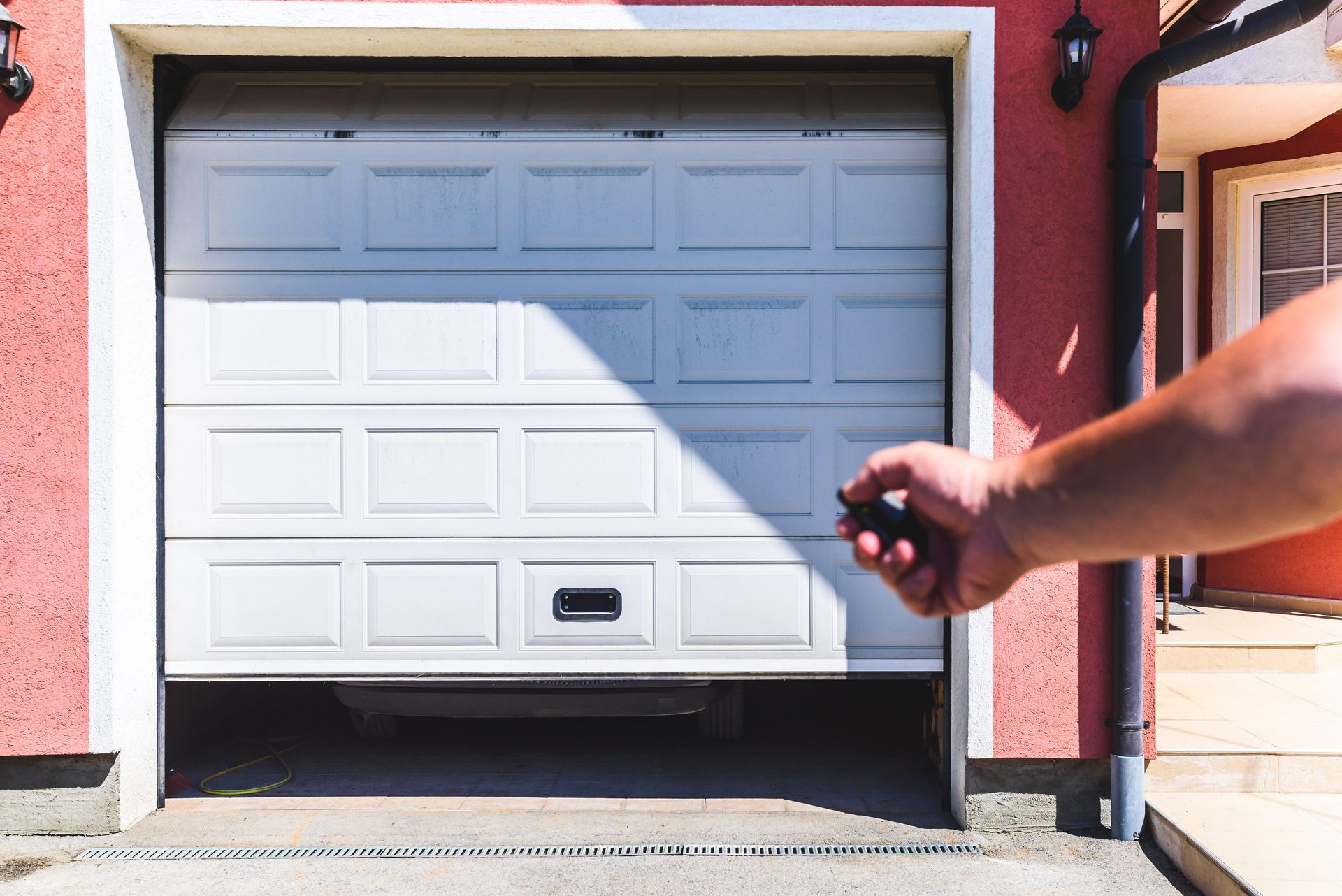
There are few things more frustrating than pressing the button on your remote only to have absolutely nothing happen. An unresponsive door is typically tied to problems within the opener system. The opener serves as the brain of the operation, telling the motor when to activate. When communication between the remote and the opener breaks down, you're stuck on either side. Dead batteries in the remote are a basic cause, but underlying issues are often more complex.
The photo-eye sensors located near the floor play a critical role in the opener function. These sensors project an invisible beam across the opening to detect obstructions. If the sensors become dirty or bumped out of alignment, they will incorrectly signal that something is blocking the path. As a safety precaution, the system will refuse to close. Cleaning the sensor lenses and ensuring they face each other perfectly often resolves this malfunction without requiring extensive work.
If the sensors and remotes are functioning properly, the problem might lie within the motor unit. Power surges can fry the internal circuit board, effectively destroying the brain of the system. Stripped gears inside the motor housing will also prevent the opener from moving the chain. Diagnosing electrical failures requires a systematic approach to check power sources and wiring. Comprehensive garage door repair covers these intricate electrical and mechanical failures, restoring reliable communication and operation.
4. The Door Is Breaking Down
Beyond mechanical and electrical failures, the physical structure of the door itself is vulnerable to environmental exposure. The exterior panels face sunlight, rain, snow, and fluctuating temperatures year after year. This constant weathering takes a structural toll on the materials. Wooden doors are susceptible to moisture damage, causing swelling, warping, and eventual rotting. A warped wooden panel puts uneven pressure on the tracks. Meanwhile, metal panels expand and contract as temperatures shift, loosening hinges.
Moisture accumulation also leads to rust, especially along the bottom edge where the door meets the concrete floor. Rust compromises the structural integrity of the metal, creating weak points that can bend or buckle. The weather stripping and bottom seals degrade significantly over time as well. As they endure repeated freezing and thawing cycles, the material becomes brittle and cracks. A damaged seal allows water to pool inside, accelerating corrosion on the metal tracks and hardware.
Protecting the door from the elements requires consistent attention. According to Medium, garage doors have a lifespan of 15 to 30 years. Regular upkeep helps the materials survive this long lifespan despite harsh conditions. Applying fresh coats of exterior-grade paint creates a vital barrier against moisture. When panels become severely damaged by rust or rot, a focused garage door repair can replace individual sections rather than requiring a complete system overhaul. Addressing weather damage early preserves functionality.
Maintaining a functional home requires paying close attention to the systems you use every single day. The mechanisms that open and close your garage are complex and endure immense physical strain over their operational lifespan. From snapping springs and bent tracks to failing circuit boards and rotting wood, the potential for failure is significant. Recognizing the sounds, sights, and behaviors of a struggling system empowers you to take action before a minor inconvenience turns into a major disruption.
Taking a proactive stance on maintenance is an effective way to protect your investment. Simple habits, like listening for unusual noises, watching for jerky movements, and keeping tracks clear of debris, can make a substantial difference. When structural or mechanical failures do occur, reaching out for professional garage door repair ensures the system is restored safely. By understanding the common causes behind these malfunctions, you can extend the lifespan of the equipment and maintain the security of your property.
If you're experiencing any of these issues, schedule a garage door repair appointment with our experienced team at Bailey's Garage Doors & More, Inc.