March 30, 2026
Your garage door is likely the largest moving object in your entire home. It functions as a primary entrance, a security barrier, and a major component of your curb appeal. Because it works so reliably day after day, it's easy to take that smooth operation for granted until the moment it suddenly refuses to budge. When your door gets stuck halfway or makes a bone-chilling screeching sound, it can throw your entire schedule into a tailspin. Understanding the common culprits behind these sudden malfunctions can help you stay ahead of the curve and minimize the stress of emergency garage door repairs.
1. Neglecting Regular Maintenance Checks
One of the most frequent reasons homeowners find themselves facing sudden garage door repairs is the simple passage of time without a professional tune-up. It's easy to assume that if the door opens and closes, everything is fine. However, hardware can vibrate loose over months of operation, and moving parts can dry out. According to HomeGuide, depending on how often it's used, the local weather, the quality of its construction, and how well it is maintained, a garage door usually lasts between 15 and 30 years. If you want your door to hit that upper thirty-year limit, you can't ignore the small signs of wear. Without an occasional inspection to tighten bolts and check the balance, minor issues snowball into catastrophic failures.
2. Ignoring Unusual Operating Noises
We often become "noise blind" to the sounds of our own homes, but your garage door has its own language. When it starts squeaking, grinding, or banging, it's trying to tell you that something is wrong. Many people wait until the door stops moving entirely before they call for garage door repairs, but those early warning sounds are actually an opportunity to save money. A high-pitched squeal usually indicates that rollers or hinges need lubrication, while a rhythmic thumping might mean a cable is starting to fray. If you ignore these auditory red flags, the friction will eventually cause a component to snap or seize. Taking action when the noise first changes ensures that a simple fix doesn't turn into a full system replacement.
3. Struggling With Broken Torsion Springs
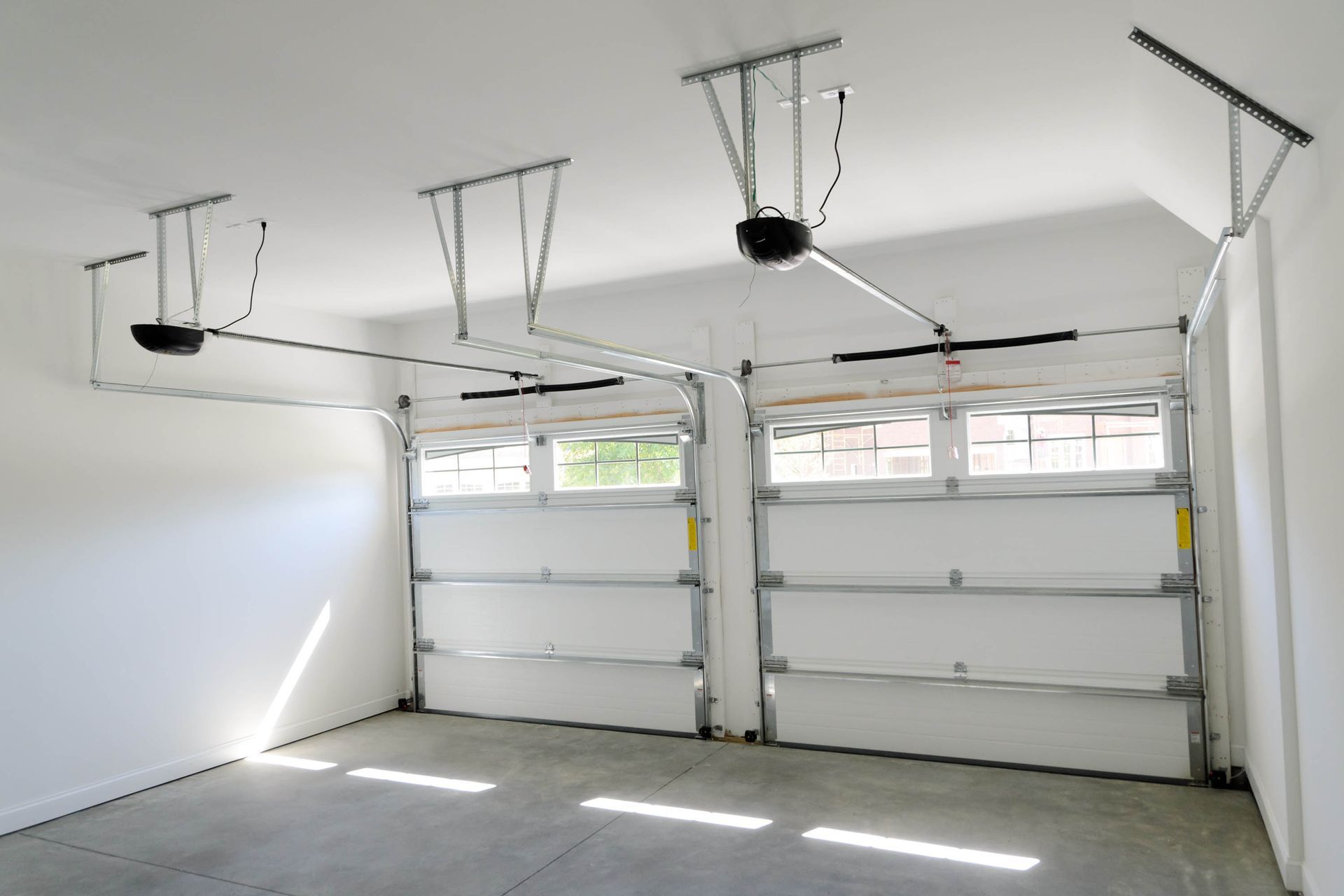
The heavy lifting of your garage door isn't actually done by the motor; it's done by the high-tension springs located above the door. These springs are rated for a specific number of cycles, usually ranging from five thousand to ten thousand openings and closings. Once a spring reaches the end of its lifespan, it'll eventually snap with a loud bang that sounds like a gunshot. This is a classic cause for urgent garage door repairs because a door with a broken spring is incredibly heavy and dangerous to move. If your door feels unusually heavy or the opener is straining to lift it, your springs are likely nearing their breaking point.
4. Dealing With Misaligned Track Paths
The tracks are the metal guides that keep your door moving in a straight, vertical, and horizontal path. If a track becomes bent or shifts out of alignment due to a minor bump or loose mounting brackets, the door will eventually bind or go off-track entirely. This often happens gradually, where the door starts to "stutter" during its travel. If the misalignment is ignored, the rollers can pop out of the track, leaving the door hanging precariously by its cables. This situation requires professional garage door repairs to safely reset the door and secure the tracks back into their proper position. Keeping the tracks clear of debris and ensuring they remain perfectly parallel is vital for the long-term health of your entire system.
5. Overlooking Sensor Alignment Issues
Modern garage doors are equipped with safety "eyes" or photo-eye sensors located near the floor. These sensors project an invisible beam that prevents the door from closing if an object, pet, or person is in the way. Sometimes, a simple bump from a trash can or a stray soccer ball can knock these sensors out of alignment. If the two sensors aren't looking directly at each other, the door will refuse to close, often flashing the light on the motor as a warning. While this might seem like a minor glitch, it can leave your home vulnerable if you can't get the door to shut before leaving. Professional garage door repairs often involve diagnosing whether the issue is a simple alignment fix or a more complex wiring problem within the safety circuit.
6. Encountering Weather Related Damage
Living in an area with shifting seasons means your garage door has to endure everything from blistering heat to freezing moisture. Extreme temperature changes cause metal components to expand and contract, which can lead to warped tracks or brittle springs. Furthermore, heavy winds can put immense pressure on the door panels, potentially bowing them or forcing them out of their tracks. In many cases, moisture can seep into wooden doors or cause rust on steel components if the finish isn't maintained. These environmental factors are a leading cause of unexpected garage door repairs during the transition between seasons. Ensuring that your weather stripping is intact and your door is properly sealed can help mitigate some of the damage caused by the elements.
7. Forgetting About Remote Battery Life
It might sound overly simplistic, but many service calls for garage door repairs are actually caused by a dead battery or a localized signal interference. If your wall switch works but your remote does not, the fix might be as easy as a fresh lithium battery. However, sometimes the issue lies deeper within the logic board of the opener itself. Radio frequency interference from new electronics in the neighborhood or even LED light bulbs in the garage can sometimes scramble the signal. If you've replaced the batteries and the door still won't respond to the remote, a technician may need to reset the frequencies or look for internal hardware failure. It's always best to check the simplest solution first before assuming the worst.
8. Managing Worn-Out Roller Components
The rollers are the small wheels that allow your door to glide through the tracks. Over time, the bearings inside these rollers can wear down or become clogged with dirt and old grease. When a roller stops spinning and starts sliding instead, it creates immense friction and puts extra stress on the opener motor. If you notice your door vibrating excessively or "jumping" as it moves, it's a sign that your rollers are on their last legs. Investing in garage door repairs to swap out old plastic or steel rollers for high-quality nylon versions can make your door operate much more quietly and smoothly. This small upgrade can significantly extend the life of your motor by reducing the resistance it has to overcome.
Your garage door is a complex system of moving parts that requires harmony to function correctly. From the high-tension springs to the sensitive electronic eyes, every component plays a vital role in your home’s security and convenience. While it's impossible to predict every mechanical failure, staying vigilant about strange noises and performing routine maintenance can prevent the majority of "emergency" situations. Remember that your door has a finite lifespan, and as it approaches that twenty-year mark, you should expect to see more frequent wear and tear. If your door is acting up or you just want the peace of mind that comes with a professional inspection, call us today at Bailey's Garage Doors & More, Inc to schedule your expert garage door repairs.