February 26, 2026
Choosing between repairing an existing system and investing in a full garage door replacement is a significant decision for any homeowner. A garage door is not simply an entry point; it is a critical component of home security, daily convenience, energy performance, and curb appeal. When problems arise—such as broken springs, warped panels, damaged tracks, or malfunctioning openers—homeowners must evaluate both short-term fixes and long-term solutions carefully.
The garage door industry itself reflects strong demand for upgrades and improvements. According to Mordor Intelligence, by geography, North America dominated with 36% garage door revenue share in 2024. This highlights a mature and active market where homeowners frequently assess repair versus replacement decisions. Understanding the practical and financial implications of each option is essential to making an informed, value-driven choice.
Understanding Mechanical Problems
Mechanical failures are among the most common reasons homeowners consider garage door replacement. Springs, cables, rollers, and openers work together under significant tension. When one component fails, the entire system can become unstable or inoperable.
Broken torsion or extension springs are particularly serious. Because springs carry the door’s weight, failure can prevent safe operation and pose injury risks. Similarly, frayed or snapped cables compromise balance and structural stability. While these issues can often be repaired individually, repeated mechanical breakdowns may indicate that the entire system is nearing the end of its service life.
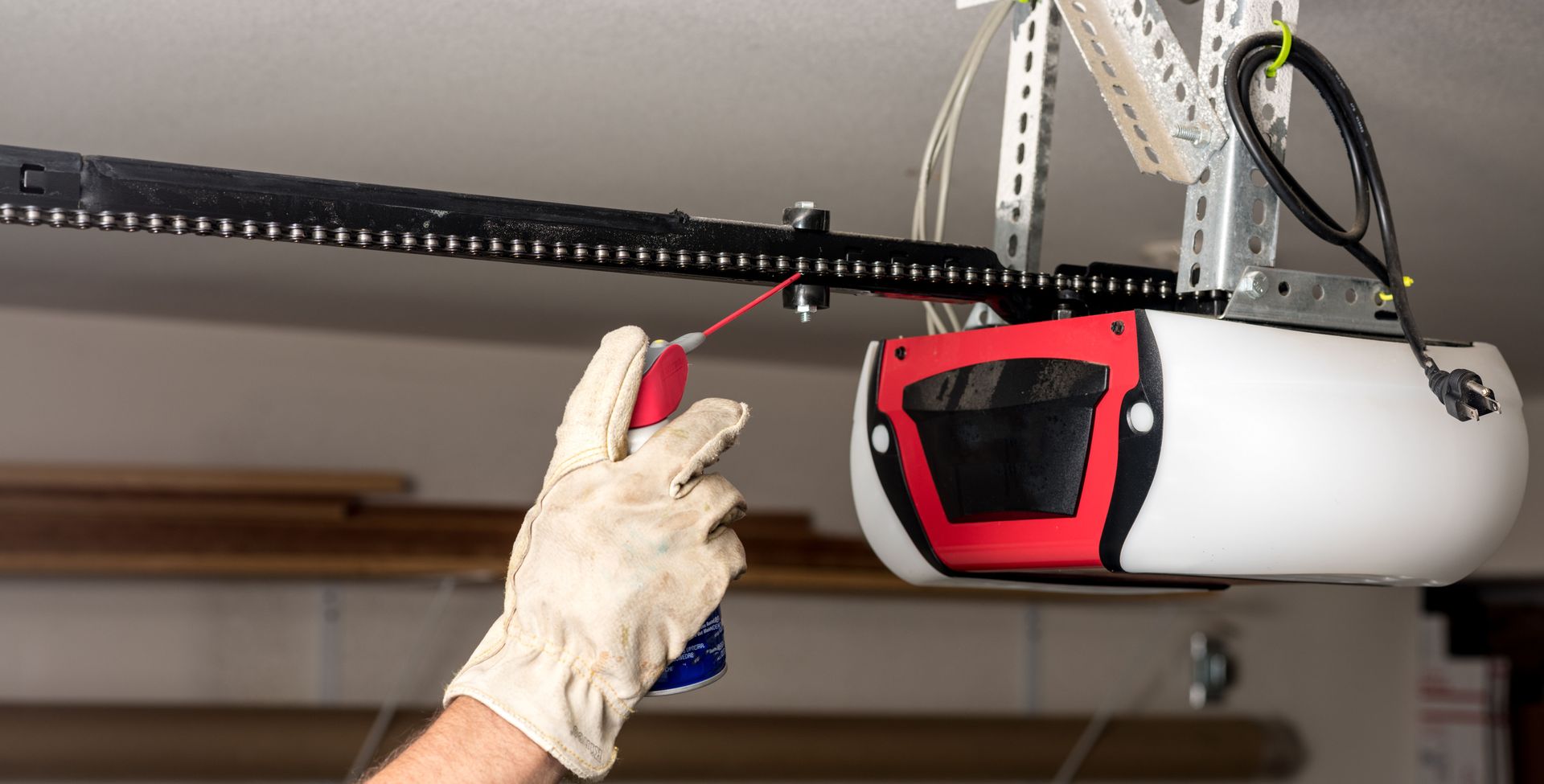
Malfunctioning openers also influence replacement decisions. Older models may lack modern safety sensors or smart capabilities. If mechanical problems become frequent or affect multiple components at once, investing in garage door replacement may provide a more stable and long-term solution.
Evaluating Structural Damage
Structural issues can significantly influence whether repair remains viable. Bent tracks may cause jerky or uneven movement. Warped or cracked panels affect alignment and place added stress on hardware components. In severe cases, structural distortion compromises safe operation.
Minor panel damage may be repairable if limited to a small section. However, widespread warping or multiple panel failures often make garage door replacement more practical. Structural integrity directly affects both safety and long-term performance.
Additionally, impact damage from vehicles or severe weather can shift the frame or weaken mounting points. When core structural elements are compromised, repair may only serve as a temporary fix. A full replacement restores proper balance, alignment, and operational reliability.
Considering Age and Wear
The lifespan of a garage door can vary widely, depending on material, maintenance, and climate exposure. Over time, constant cycles of opening and closing wear down components. Environmental exposure to moisture, heat, wind, and UV rays accelerates deterioration.
If a door is approaching the upper end of its lifespan, repeated minor repairs may become increasingly frequent. In these cases, garage door replacement often reduces long-term maintenance costs and prevents unexpected breakdowns.
Older doors may also lack adequate insulation, efficient seals, and modern safety standards. Age alone does not mandate replacement, but when combined with rising repair frequency, it strongly supports upgrading to a new system.
Analyzing Repair Costs Versus Garage Door Replacement Costs
Cost is often the central factor in the decision-making process. Isolated repairs—such as replacing springs, cables, or rollers—are typically less expensive upfront than installing a new door. For minor issues, repair is financially sensible.
However, recurring repair bills can accumulate quickly. When multiple components require attention within a short timeframe, the cumulative cost may approach or exceed the price of garage door replacement. At that point, continuing repairs becomes less economical.
Homeowners should also consider indirect costs. Frequent breakdowns can disrupt schedules, compromise security, and increase safety risks. Evaluating total long-term expenditure rather than just immediate expense provides a clearer financial perspective.
Noticing Other Signs It's Time for a Change
Repeated service calls often indicate deeper systemic problems. If the door has required multiple repairs in the past year, underlying wear may be widespread. Persistent alignment issues, noisy operation, or unreliable opening cycles suggest that individual part replacement may not resolve the root cause.
Tracking repair history can reveal patterns. A steady increase in malfunctions typically signals declining overall system integrity. In these cases, garage door replacement provides a comprehensive reset rather than continuing piecemeal fixes.
Reliability matters. A garage door is often the primary entry point to the home. Ensuring consistent and safe operation justifies upgrading when repair frequency becomes disruptive.
Improving Security and Safety
Modern systems incorporate advanced security features that older doors may lack. Updated locking mechanisms, rolling code technology, motion detection lighting, and smart integrations improve protection against unauthorized access.
Safety standards have also evolved. Contemporary doors include enhanced auto-reverse mechanisms and improved sensor technology to reduce injury risks. If the current system predates modern safety updates, garage door replacement may significantly reduce liability concerns.
In households with children or frequent garage usage, upgrading to a safer system can provide measurable peace of mind. Enhanced structural strength and tamper-resistant features further protect property and occupants.
Consider Energy Efficiency Benefits
Insulated garage doors improve energy performance by stabilizing interior temperatures. This is particularly important for attached garages that share walls with living spaces. Poor insulation can increase heating and cooling costs.
Newer materials and layered construction designs enhance thermal resistance. Weatherstripping and improved seals reduce drafts and moisture intrusion. Over time, energy savings can offset part of the initial garage door replacement investment.
Energy efficiency also contributes to overall comfort. Maintaining stable garage temperatures protects stored belongings and reduces strain on adjacent climate-controlled areas.
Comparing DIY Repairs and Professional Garage Door Replacement
Some minor repairs may be manageable for experienced homeowners with appropriate tools. However, tasks involving high-tension springs or structural alignment carry safety risks. Improper handling can cause injury or further damage.
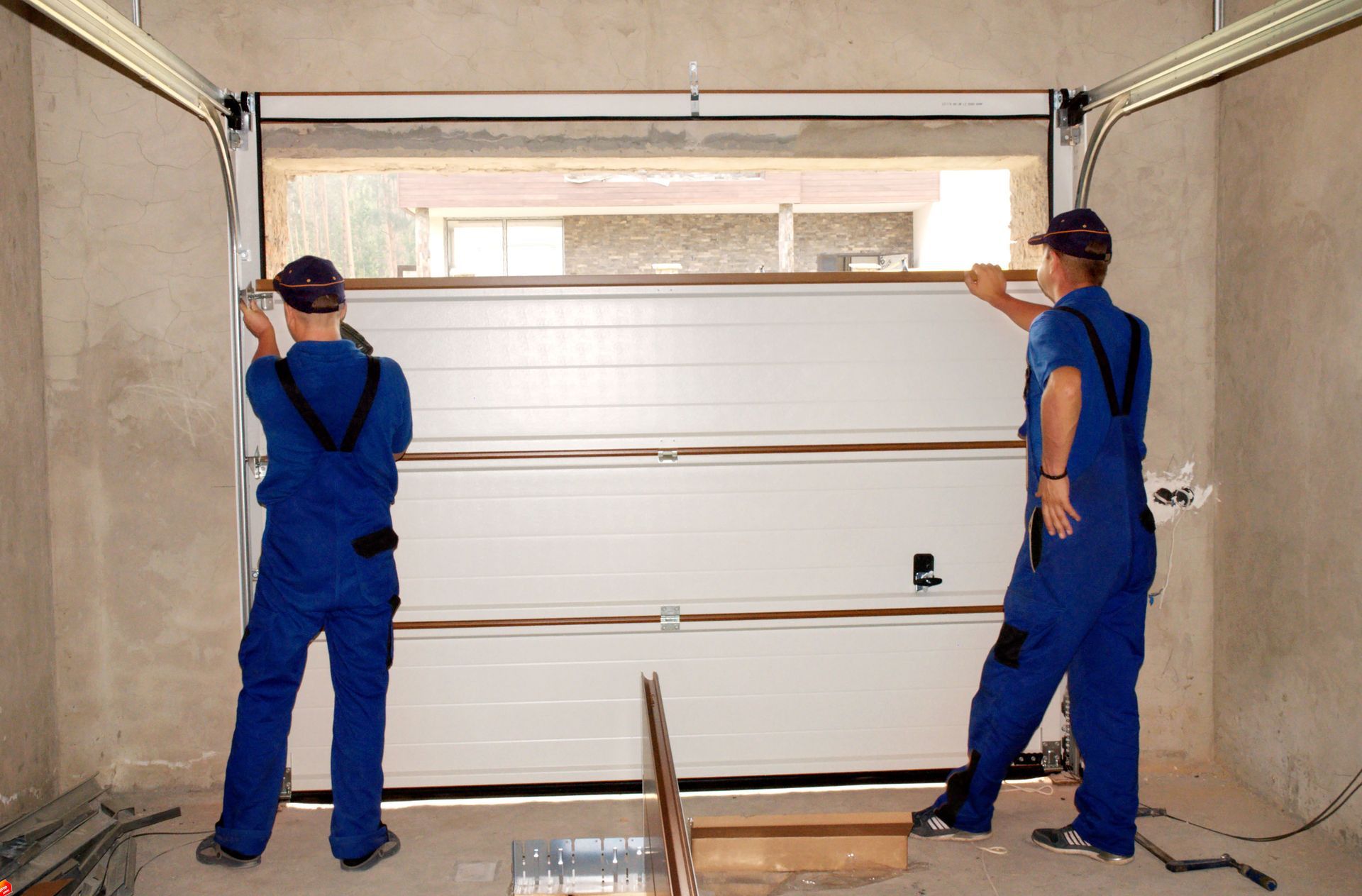
Professional technicians bring specialized tools and technical knowledge. For garage door replacement, correct installation ensures balance, proper track alignment, and safe spring calibration. Errors in installation can reduce lifespan or create operational hazards.
While DIY efforts may reduce labor costs initially, professional service offers warranty coverage and compliance with safety standards. For complex repairs or full replacement, expert installation is generally advisable.
Making an Informed Decision
Final decisions should reflect a balanced assessment of cost, condition, safety, and long-term goals. Homeowners planning to remain in their property long term may prioritize durability and energy efficiency. Those preparing for resale may focus on aesthetic upgrades and buyer appeal.
Obtaining professional evaluations can clarify the extent of damage and provide detailed cost comparisons. A second opinion may further support objective decision-making.
Ultimately, whether choosing targeted repair or full garage door replacement, the goal is to ensure dependable performance, improved safety, and sustained property value.
Deciding between repair and garage door replacement requires a structured evaluation of mechanical condition, structural integrity, age, safety features, and long-term financial impact. While minor issues may justify economical repairs, recurring breakdowns, outdated systems, and significant damage often support upgrading to a new door.
A well-timed garage door replacement improves energy efficiency, enhances security, strengthens curb appeal, and reduces ongoing maintenance concerns. It also positions the home competitively within a strong North American market where homeowners continue to invest in modern upgrades.
If your garage door is showing signs of decline or you are uncertain whether repair remains sufficient, a professional assessment can provide clarity. For reliable guidance, expert installation, and long-term performance, contact Bailey's Garage Doors & More, Inc. to discuss your options and determine the most effective solution for your home.