July 14, 2026
The American home has evolved drastically over the last century, and one of the most prominent features of modern domestic architecture is the space where we park our vehicles. While it might be difficult to imagine a neighborhood without these expansive entryways today, the journey of how they became a standard fixture is a fascinating tale of innovation and societal shifts. The history of how these large protective barriers integrated into the typical American household provides insight into our changing relationship with personal transportation and home design. Initially, the concept of dedicated vehicle storage was reserved for the wealthy, primarily because early automobiles were a luxury. As cars became more affordable and accessible to the general public, the need for adequate protection against the elements and theft grew exponentially. This architectural transformation fundamentally altered the facade of suburban houses, shifting the focus from the front porch to the driveway.
Sheltering Early Vehicles in Carriage Houses
Before the mass production of automobiles, families who could afford horse-drawn carriages stored them in detached structures known as carriage houses. These outbuildings were typically located at the far rear of a property, well away from the main living quarters to keep the smells and sounds of horses at a distance. When the first motorized vehicles appeared in the late nineteenth and early twentieth centuries, they were often parked in these exact same structures. The heavy, swinging wooden panels on these buildings were cumbersome and required significant physical effort to open and close. Because early cars were sensitive to cold weather and rain, owners quickly realized that they needed a better way to protect their expensive investments. However, the existing outbuildings were not ideal for motorized transport. The swinging portals would frequently blow shut in the wind, sometimes causing damage to the fragile brass and paint of early automobiles. This frustration paved the way for dedicated shelters featuring early iterations of garage doors.
Transitioning to Dedicated Automobile Spaces
As the Ford Model T and other affordable cars rolled off assembly lines, vehicle ownership surged among the middle class. Carriage houses were no longer sufficient, and newly built homes began to incorporate separate outbuildings designed exclusively for cars. During this period, the first sliding mechanisms were introduced to bypass the awkwardness of outward-swinging entryways. Homeowners would slide the heavy barriers along a track to the side, which saved space but still required a fair amount of manual labor. It was during this transitional era that early variations of sliding garage doors began to take shape. Inventors experimented with panels that folded or rolled, trying to find the most efficient method for daily use. While these detached sheds kept vehicles safe from harsh weather, they still required drivers to brave the elements when walking between their car and their house. Despite this minor inconvenience, the dedicated car shed quickly became a highly desired feature for any modern property owner.
Experiencing Post-War Prosperity and the Suburban Boom
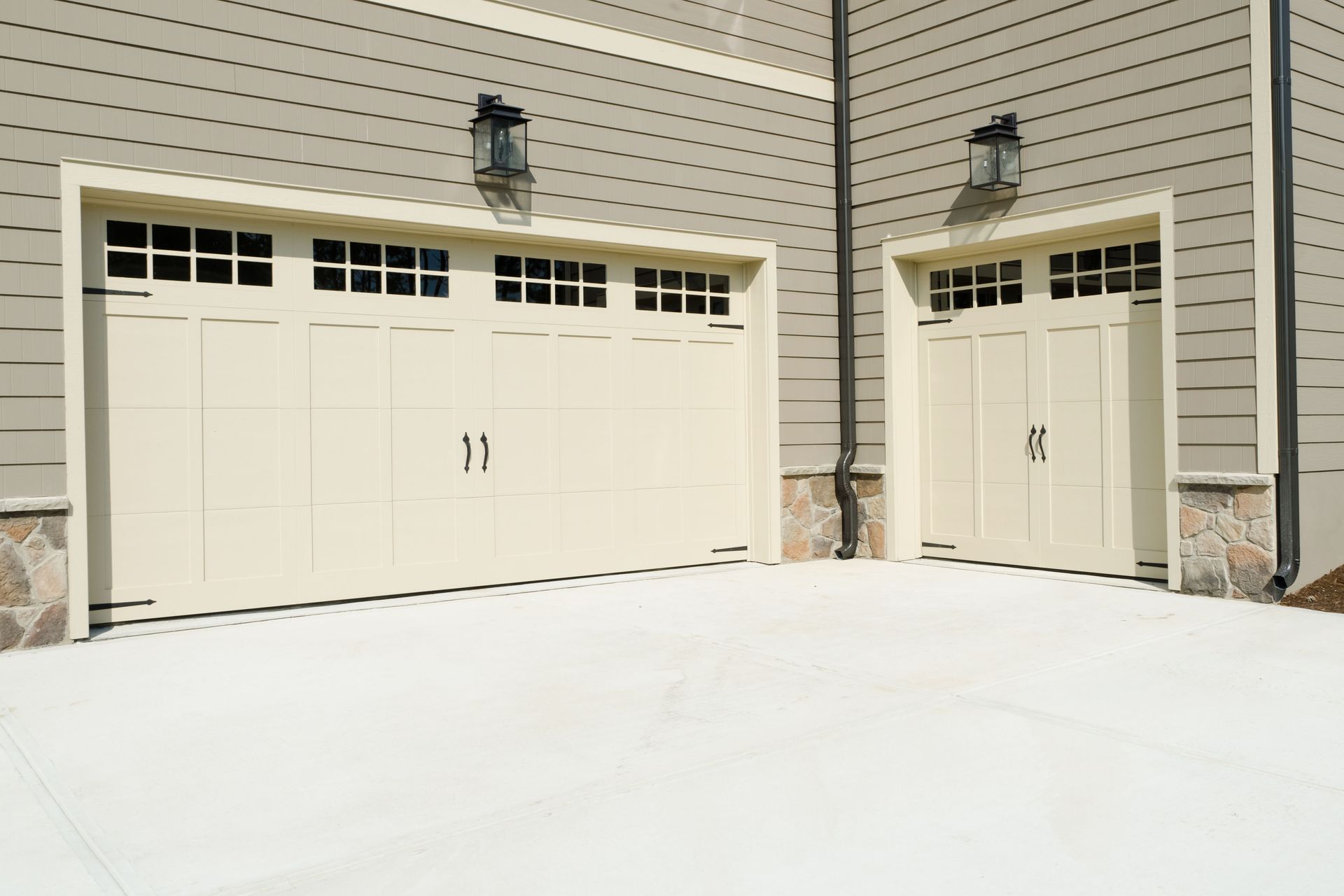
The end of World War II marked a monumental shift in American housing and infrastructure. Returning soldiers, the GI Bill, and the rapid expansion of suburban developments led to a massive housing boom. Space was suddenly abundant, and architects began experimenting with new layouts that integrated car storage directly into the primary structure of the home. According to Forbes, homes did not commonly feature attached garages until the mid-20th century, and multi-car garage designs became widespread following World War II. This integration was a game-changer for suburban architecture. Families loved the convenience of unloading groceries without getting rained on or trekking across a muddy yard. As the two-car family became the cultural norm, the size of these attached structures expanded, completely dominating the street-facing view of the house. The widespread adoption of these attached spaces cemented the necessity for reliable, easy-to-operate entry points, transforming garage doors into a focal point of residential design across the entire country.
Evolution of Materials in Modern Construction
With the attached car space becoming a staple of the American dream, manufacturers began refining the materials used for the heavy barriers. Early iterations were almost exclusively crafted from timber, which offered a classic, robust appearance. Today, homeowners still appreciate the timeless aesthetic of wood garage doors, which bring natural warmth and architectural elegance to a property. However, as the demand for lighter and more weather-resistant materials grew, the industry expanded its offerings. The introduction of steel and aluminum doors revolutionized the market, providing superior durability, improved insulation, and minimal maintenance requirements. These resilient metals proved especially useful for withstanding harsh climates and daily wear. For business applications, heavy-duty commercial overhead doors were developed to secure warehouses and loading docks, utilizing the same fundamental engineering but on a much larger and more rugged scale. The continuous improvement in materials ensured that every property owner could find a solution perfectly matched to their climate and aesthetic preferences.
Evolving Materials in Modern Construction
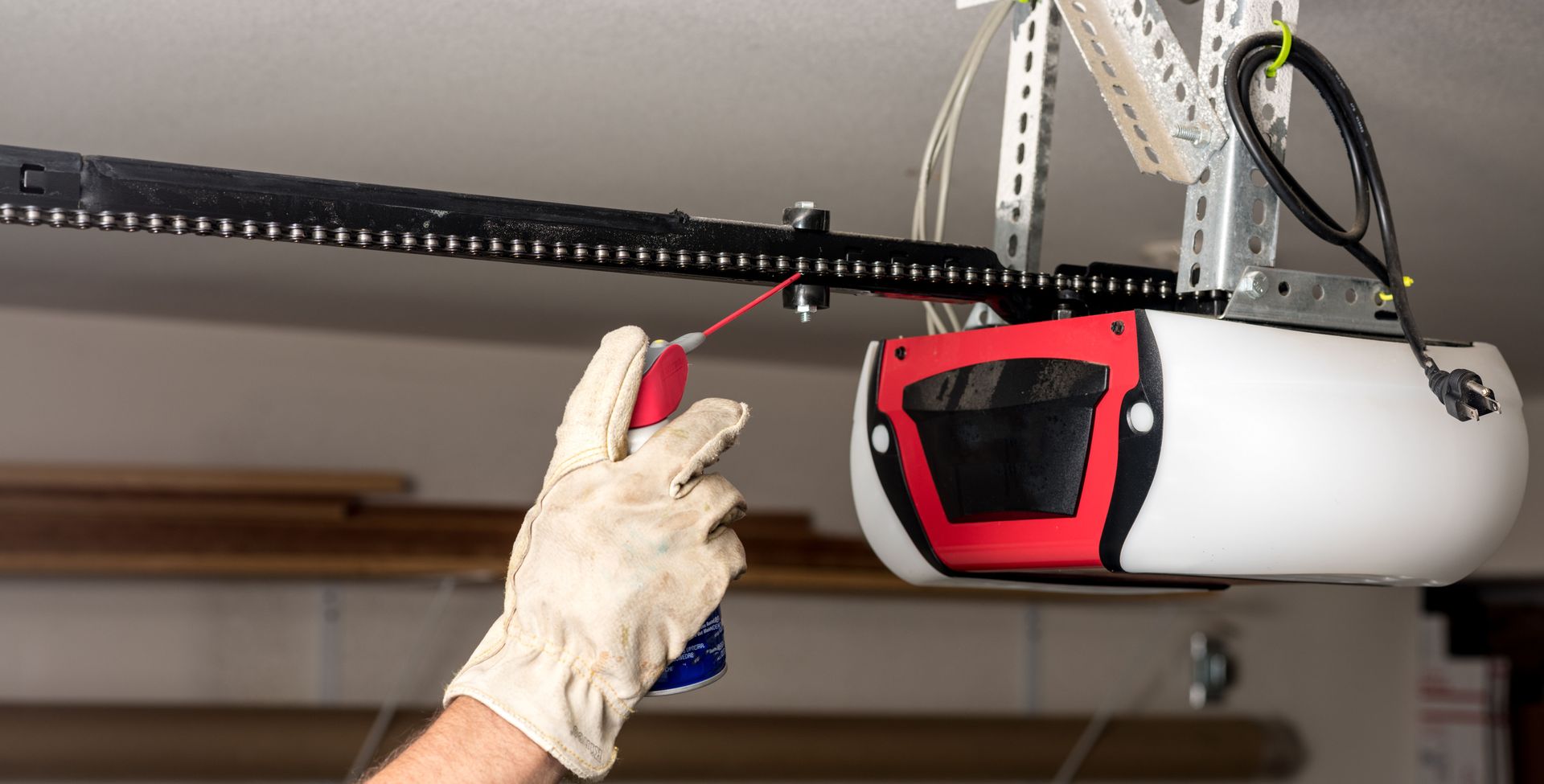
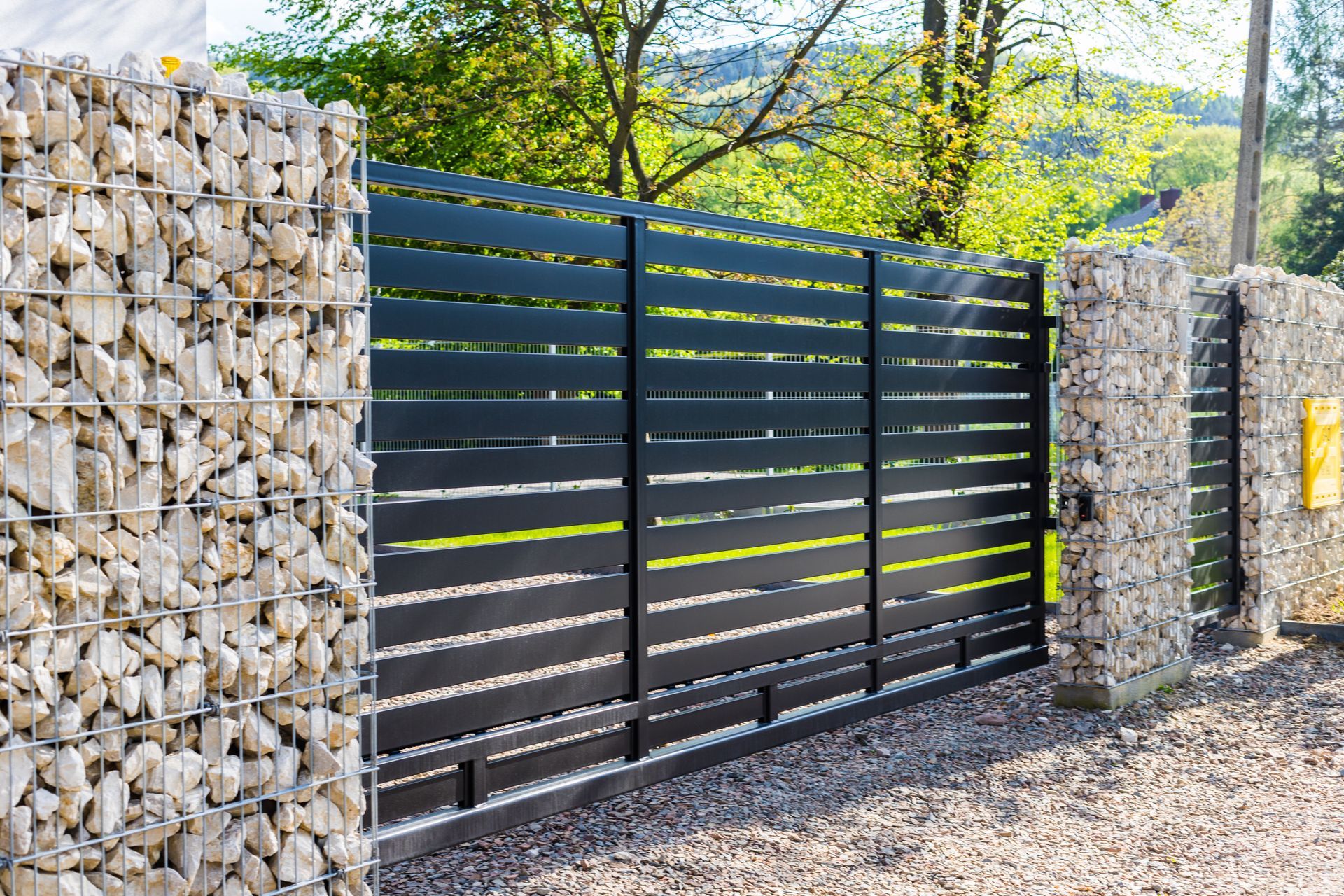
The true turning point in everyday convenience arrived with the invention of the electric motor operator. Prior to automation, opening the heavy panels meant getting out of the car in the rain or snow, manually lifting the barrier, driving in, and then closing it behind you. The widespread availability of garage door openers eliminated this hassle entirely, allowing drivers to access their homes with the simple push of a button. This technological leap made the attached car space the primary entrance for most families. As technology continued to advance, so did the surrounding security features. Many modern estates now pair their entryways with automatic gate access systems, creating a seamless and secure perimeter around the property. These automated systems transformed a purely functional architectural necessity into a luxurious convenience, ensuring that residents could transition from the roadway to their living rooms without ever having to step outside into inclement weather.
Maintaining and Customizing Modern Systems
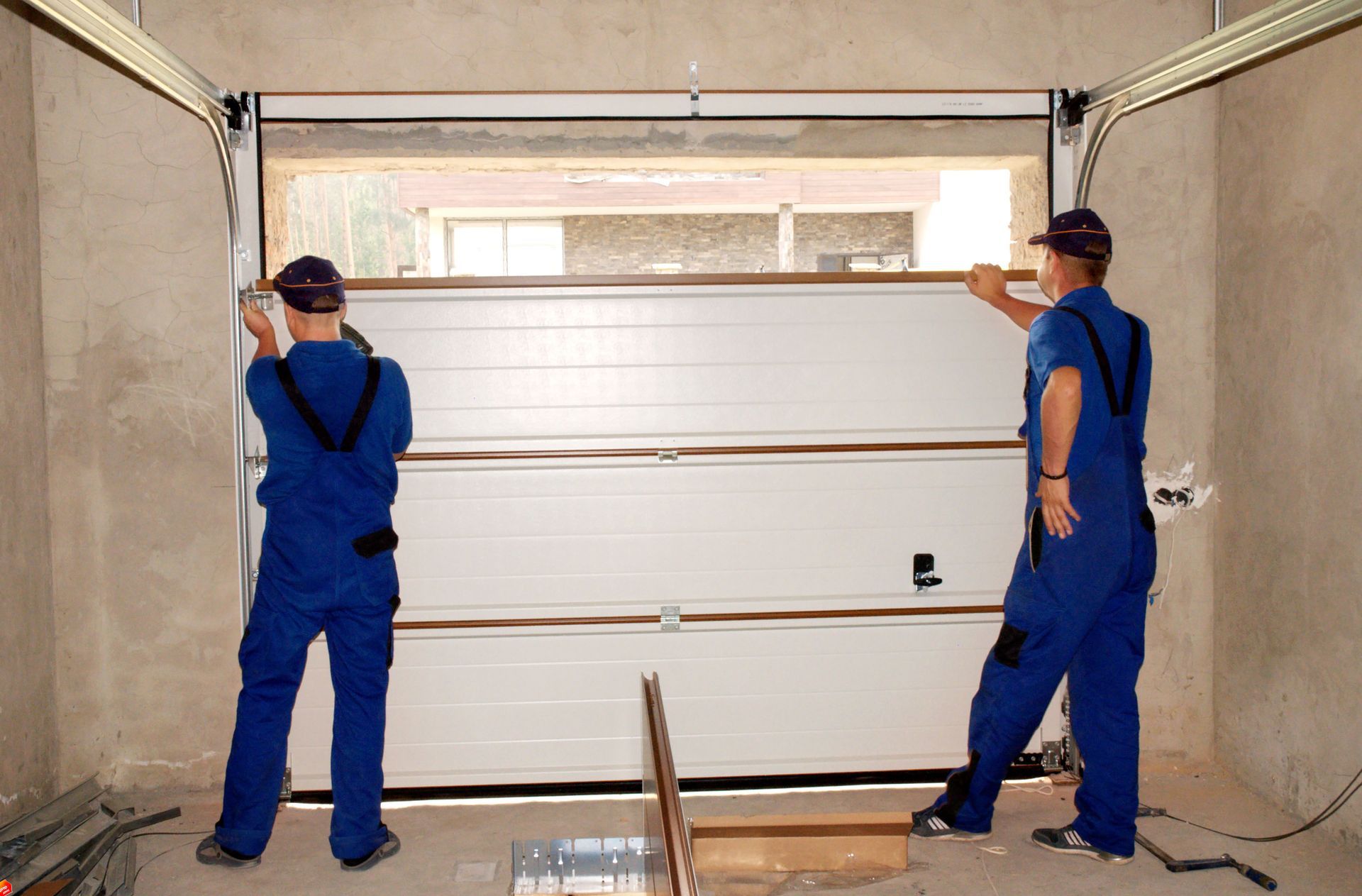
As these mechanical systems grew more complex, the need for specialized care became paramount. Homeowners quickly learned that they could not simply ignore the heavy springs and tracks that operated daily. Routine maintenance and timely garage door repair became essential services to prevent unexpected malfunctions or safety hazards. When old systems break down beyond repair or homeowners wish to upgrade their home's exterior, professional garage door installation ensures that the heavy mechanisms are balanced and secured correctly. For older properties needing a complete aesthetic overhaul, comprehensive residential replacement services offer a massive boost to curb appeal. Many families now opt for custom garage doors to perfectly match their unique architectural style, moving away from cookie-cutter designs. Whether it involves swapping out a single broken panel or scheduling a full garage door replacement, relying on experienced technicians is vital for keeping these massive moving parts operating smoothly and safely year after year.
From humble carriage houses to highly automated marvels of modern engineering, the evolution of residential vehicle storage perfectly mirrors the broader advancements of American society. The transition from detached sheds to integrated, technologically advanced entryways highlights our ongoing desire for convenience, security, and aesthetic appeal. Today, these massive moving structures are no longer an afterthought but a critical component of a property's overall value and functionality. Maintaining them requires expert knowledge and reliable service to ensure they remain safe and efficient. When you are ready to upgrade your property, improve your daily convenience, and enhance your home's exterior charm, reach out to Bailey's Garage Doors & More, Inc.